 Call Now:

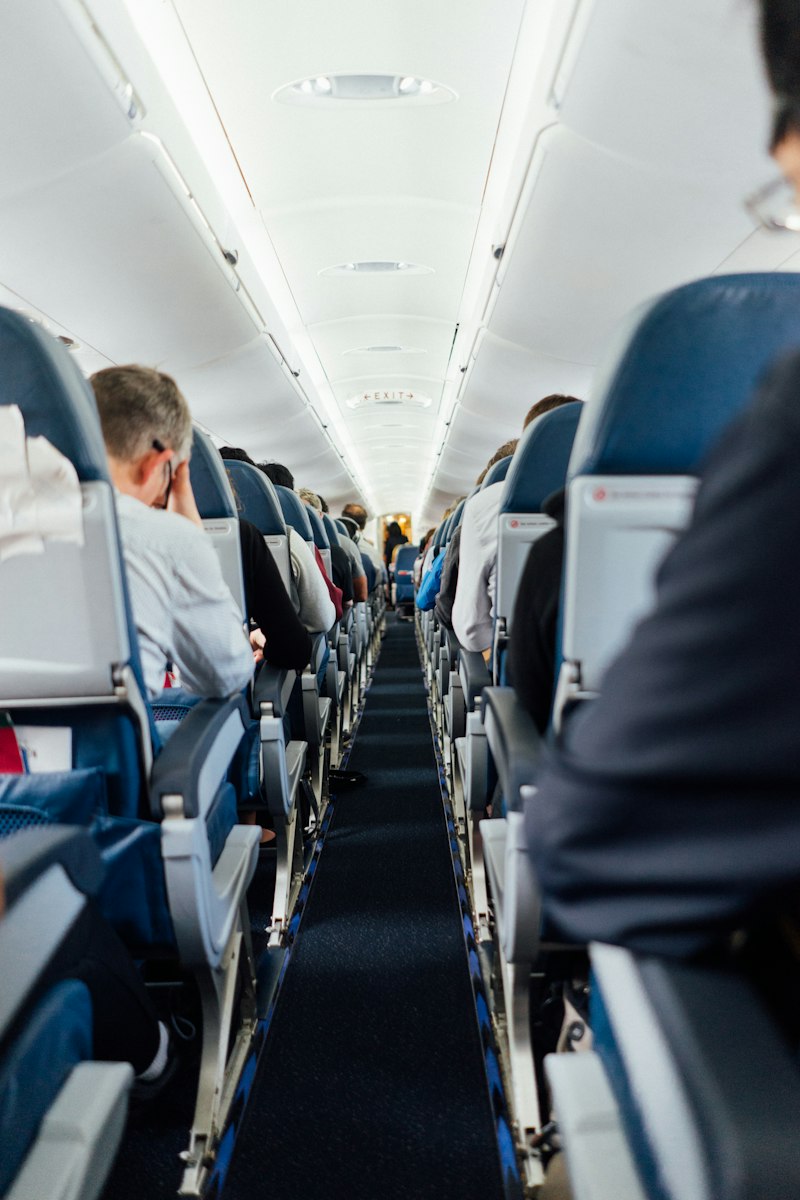
United Airlines is one of the three largest carriers in the United States and operates one of the most extensive global networks of any airline in the world. With seven major hubs spread across the country, deep partnerships through the Star Alliance, and a fleet that has been steadily modernized over the past five years, United has positioned itself as a strong choice for both domestic flyers and frequent international travelers. But the airline's reputation is mixed — some flyers swear by it, others avoid it entirely. This review breaks down what United does well, where it falls short, and how to decide whether it makes sense for your trip.
Hubs and Network
United operates seven major US hubs, more than any of its competitors. Each hub serves a distinct role in the network and offers different strengths depending on where you are flying.
- Newark (EWR) — Primary East Coast gateway, especially strong for Europe and the Middle East
- Chicago O'Hare (ORD) — Massive domestic hub with strong connections across the Midwest and to Asia
- Denver (DEN) — Geographic center of the network, excellent for connecting flights and Mountain West cities
- Houston (IAH) — Gateway to Latin America and the Caribbean
- San Francisco (SFO) — Primary transpacific hub with the most extensive Asia routes of any US airline
- Washington Dulles (IAD) — Strong East Coast international hub, especially for Africa and the Middle East
- Los Angeles (LAX) — Smaller hub focused on transpacific service and West Coast premium routes
This network coverage means United can usually offer a routing to almost anywhere in the world, often with fewer connections than competing airlines. If you live near one of these hubs, United is worth looking at first for international travel.
Cabin Classes Explained
United operates four main cabin classes, plus various sub-fares within economy. Understanding the distinctions matters because the price differences are significant and the experiences vary dramatically.
United Polaris is the long-haul international business class. On most widebody aircraft (787, 777, 767), Polaris offers fully lie-flat seats with direct aisle access in a 1-2-1 configuration. The Polaris experience includes premium dining, Saks Fifth Avenue bedding, dedicated check-in, and access to Polaris Lounges at major hubs. It is genuinely competitive with the best business class products globally.
Premium Plus is the international premium economy cabin, available on most long-haul flights. It offers larger seats with more recline than economy, premium meals served on china, and amenity kits — at roughly 60 to 70 percent of the Polaris fare. For travelers who cannot justify business class but find economy too cramped, Premium Plus is often the best value.
Economy Plus is a step up from standard economy with 4 to 6 inches of additional legroom. It is available on most aircraft and can be purchased at booking, at check-in, or for free as a frequent flyer perk. On long flights, the comfort difference is noticeable.
Standard Economy is the default cabin. Seats are tight by current industry standards but otherwise unremarkable. The fare includes a personal item, carry-on bag, and seat selection. United Basic Economy is a stripped-down version of the same fare — no carry-on bag (only a personal item), no seat selection until check-in, no upgrades, and last boarding group.
Fleet Quality
United's fleet quality varies more than its competitors. The newest aircraft — the 787-9, 787-10, 737 MAX 9, and refurbished 777-300ER — feature modern interiors with personal entertainment screens, USB-C power, and improved seat designs. These aircraft typically operate the most popular long-haul routes and the major transcontinental flights.
Older aircraft, particularly some 757s and 767s, still operate domestic and shorter international routes. These planes have outdated interiors, smaller overhead bins, and lack personal entertainment in many cases. Before booking a long flight, it is worth checking the equipment type at SeatGuru or ExpertFlyer to make sure you are getting a modern aircraft.
MileagePlus Frequent Flyer Program
United's MileagePlus program operates on a revenue-based earning model — you earn miles based on how much you spend, not how far you fly. Standard members earn 5 miles per dollar spent on the base fare, with higher rates for elite members. While this model rewards business travelers and full-fare buyers, it is less generous for budget travelers covering long distances.
Premier elite status comes in four tiers: Silver, Gold, Platinum, and 1K. Benefits scale up at each level — Silver members get free checked bags and priority boarding, while 1K members enjoy unlimited domestic upgrades, dedicated phone support, and Premier Access at airports. Reaching Premier status requires both miles flown (Premier Qualifying Points) and dollars spent (Premier Qualifying Flights).
For mileage redemptions, United generally offers fair pricing on saver awards but has dynamic pricing on standard awards, which can become very expensive. The best value is typically in Polaris business class on Star Alliance partners — Lufthansa, ANA, Singapore Airlines, and others — where 80,000 to 120,000 miles can deliver a $7,000+ ticket.
How United Compares to Delta and American
Among the three major US legacy carriers, United generally lands in the middle on most metrics. Delta is widely considered the most reliable for on-time performance and consistent customer service. American has the largest domestic network and very strong oneworld international partnerships. United's edge is its global network depth, particularly to Asia, Africa, and lesser-served destinations like Cape Town, Lagos, and Tahiti.
For domestic travel, the choice often comes down to which airline's hub is closest to your home. For international, look at whether your destination is better served by Star Alliance (United), SkyTeam (Delta), or oneworld (American) — alliance partnerships dramatically expand the available routes and award redemption options.
Should You Fly United?
Fly United if you are based near one of its hubs, regularly travel internationally to Asia or to less common destinations, or value Star Alliance reach for award redemptions. The Polaris business class product is excellent and often available at competitive prices on sale.
Look elsewhere if you are flying domestically and Delta or Southwest serves your route — both generally deliver more consistent service. Avoid Basic Economy unless your only luggage is a small backpack; the carry-on restriction makes it impractical for most trips.
Our agents can compare United fares against Delta, American, and the international alternatives in seconds. Call us before booking — we will walk you through the tradeoffs for your specific itinerary and find the option that fits your budget and travel style.