 Call Now:

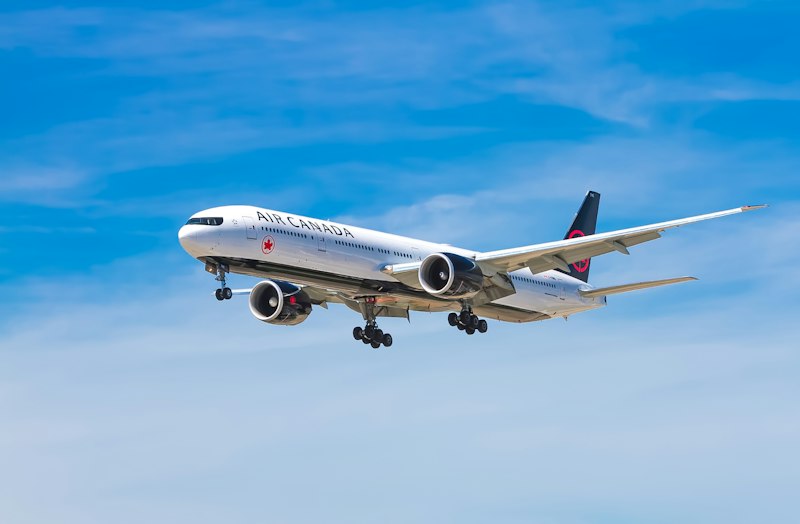
Your first flight is one of those experiences that feels overwhelming until you have done it once — and then it becomes routine. Hundreds of millions of people fly every year, and the systems are designed to handle travelers who have never been in an airport before. The trick is knowing what to expect at each step. This guide walks you through every part of the journey, from buying your ticket to claiming your bags at the destination, with the practical details that experienced flyers take for granted.
Before You Book
Start with three pieces of information: your departure city, your destination, and your dates. Use a fare search engine — or call our agents — to compare options. For your first flight, prioritize a nonstop or simple one-stop itinerary over the absolute cheapest fare. The convenience and lower stress of a direct flight is worth a modest premium when you are still learning the process.
Pay attention to the fare class. Basic Economy on most US airlines restricts your ability to bring a carry-on bag, choose your seat, or change your ticket. For a first flight, the standard Main Cabin or Economy fare is almost always worth the extra $20 to $40. You will appreciate having a carry-on bag and a chosen seat when you arrive at the airport.
What to Pack and How to Pack It
Most US airlines allow one carry-on bag (a small suitcase that fits in the overhead bin) and one personal item (a backpack, purse, or laptop bag that fits under the seat in front of you). If you can fit everything in those two bags, you avoid checked bag fees of $35 to $50 each way.
- Liquids in your carry-on must be in containers of 3.4 oz (100 ml) or smaller, all fitting in a single quart-size clear plastic bag
- Larger bottles (sunscreen, shampoo, contact solution) must go in checked baggage
- Lithium batteries and power banks must be in your carry-on, not checked
- Pack a change of clothes, toothbrush, and any essential medication in your carry-on in case checked bags are delayed
- Wear shoes that are easy to slip off — you may need to remove them at security
For checked bags, weigh them at home. Most airlines have a 50-pound (23 kg) weight limit, with overweight fees of $100 to $200 for bags between 51 and 70 pounds. A simple luggage scale costs $10 and saves money on every trip.
The Day Before Your Flight
Most airlines open online check-in 24 hours before departure. This is the time to confirm your flight, choose or change your seat (depending on your fare type), and either print your boarding pass or save it to your phone. Mobile boarding passes work everywhere and are easier to manage at the airport.
Verify the airport, terminal, and departure time. Major airports like JFK, LAX, and O'Hare have multiple terminals — being at the wrong one can mean missing your flight. The airline website and your booking confirmation will list the correct terminal.
Charge your phone fully and pack a portable charger if you have a long day of travel. Power outlets at the gate are not always available.
Arriving at the Airport
Arrive at least 2 hours before a domestic flight and 3 hours before an international one. This sounds excessive but accounts for traffic, security lines, and the simple fact that nothing about airports moves quickly. If you have TSA PreCheck or Global Entry, you can shave 30 to 45 minutes off these times.
When you arrive, look for signs to your airline. The airline counters (called "ticketing") are clustered together. If you have a checked bag, go to the counter to check in and drop it off. If you only have carry-on, you can go directly to security with your mobile boarding pass.
Going Through Security
Security is the part most first-time flyers worry about. The process is more orderly than it looks. Get in the line for your terminal, have your boarding pass and government-issued ID (driver's license or passport) ready when you reach the agent.
- Place your bags on the conveyor belt to go through the X-ray scanner
- Remove your laptop and any large electronics; place them in a separate bin
- Remove your liquids bag (the quart-size clear bag) from your carry-on
- Take off your shoes, belt, jacket, and watch — place them in a bin
- Empty your pockets — phone, wallet, keys, coins all go in a bin
- Walk through the body scanner when directed; stand still with feet on the marked spots
TSA PreCheck members keep shoes, belts, laptops, and liquids in their bags. If you fly more than once or twice a year, the $78 PreCheck enrollment for 5 years is worth it many times over.
At the Gate
Once through security, follow the signs to your gate. Each gate is a number-letter combination (like B12 or T-23) printed on your boarding pass. Most airports have a tram, shuttle, or moving walkway between concourses — leave time to navigate. Verify that the screen at the gate matches your flight; gates occasionally change.
When boarding starts, listen for announcements. Airlines board by zones or groups, which are printed on your boarding pass. Wait for your zone to be called. When it's your turn, the gate agent scans your boarding pass and you walk down the jetway to the plane.
On the Plane
Find your seat by row number and letter (12A, 17C, etc.). Window seats are A, F, K depending on the aircraft; aisle seats are typically C, D, F, or G. Stow your carry-on in the overhead bin above your seat (or one nearby). Your personal item goes under the seat in front of you, not the seat next to you.
Once seated, fasten your seatbelt and stay in your seat until the seatbelt sign turns off. Flight attendants will give a safety briefing — pay attention even if you have flown before. Phones must be in airplane mode for the entire flight, though Bluetooth headphones and Wi-Fi (when available) are allowed once airborne.
During takeoff and landing, you may feel pressure changes in your ears. Yawning, swallowing, or chewing gum equalizes the pressure. The bumps and noises during takeoff and landing are completely normal — landing gear retracting, flaps adjusting, the engine throttling.
When You Land
Wait for the seatbelt sign to turn off before standing. The aisle will fill quickly — there's no need to rush. Retrieve your carry-on from the overhead bin and follow the line off the plane.
Inside the terminal, follow signs to baggage claim if you checked a bag, or to ground transportation if you only had carry-on. Baggage claim is a series of numbered carousels — your flight number determines which carousel your bags appear on, displayed on the screens.
For ground transportation, signs will direct you to taxis, rideshare pickup, hotel shuttles, public transit, or rental cars. Most major airports have all of these options.
For International Flights
International flights add two steps. Before takeoff, you may need to show your passport at check-in. After landing, you go through immigration (passport control) and customs before reaching baggage claim. Have your passport and any required visas or arrival forms ready. Lines can be long during peak hours; budget an extra hour at the destination airport.
Tips That Make Every Flight Easier
- Arrive early — being too early is comfortable, being late is stressful
- Use the bathroom before boarding; airplane bathrooms are tight
- Stay hydrated — airplane cabin air is very dry, drink water before and during the flight
- On long flights, get up and walk every 2-3 hours to maintain circulation
- Bring snacks; airplane food is variable and concourse food is expensive
- Save the airline's phone number in your phone in case of cancellations or delays
When Things Go Wrong
Delays and cancellations happen. If your flight is canceled, the airline is required to either rebook you on the next available flight or issue a full refund. For significant delays, you are often entitled to meal vouchers and overnight hotel accommodations on certain routes. Our agents can help you navigate rebooking, especially for complex itineraries — call us if you need a hand.
Your first flight might feel like a lot to manage, but every part of the system is designed to be navigable for someone who has never done it. Take it step by step, ask gate agents and flight attendants for help when needed, and remember that everyone around you was a first-time flyer once.